

Key Takeaway
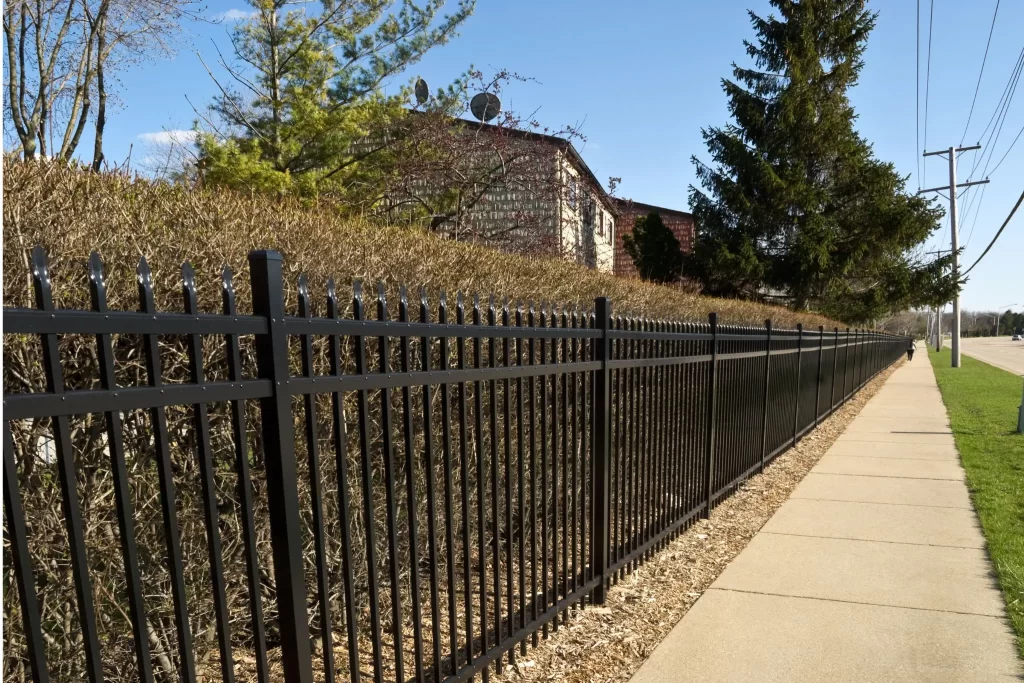
Black aluminum fencing is a proven low-maintenance upgrade for Seattle yards because it resists rust, never needs staining or sealing, and can last over 30 years in the Pacific Northwest’s wet climate. Seattle gets roughly 156 wet days a year, making corrosion resistance a practical priority. Open-picket styles preserve sightlines but do not provide full privacy, so pairing aluminum with cedar is a common solution for backyards.
Is Black Aluminum Fencing a Good Upgrade for Seattle Yards?
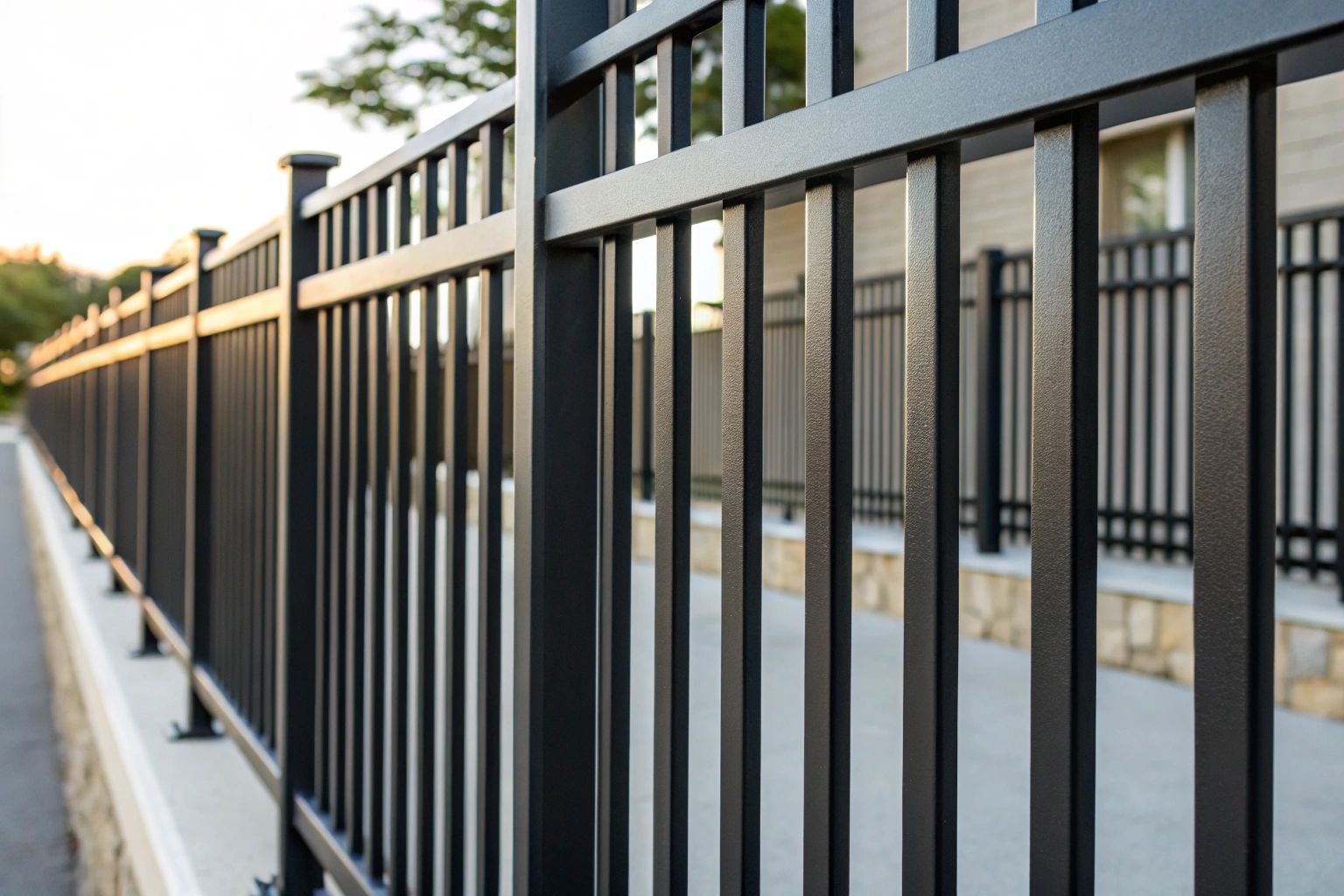
Yes. For most Seattle yards, a black aluminum fence is a strong low-maintenance upgrade. It gives you clean lines, it handles our rain without warping or rotting, and it never needs staining or sealing. Aluminum fencing is a smart choice for front yards, side yards, pet containment, gates, and boundaries where you want to keep your view. The one honest caveat: standard open-picket aluminum fencing isn’t a full privacy fence. If you’re comparing fence materials before booking an estimate, that distinction is the first thing to understand.
Choosing a fence is a real investment in your property, and wanting to get it right the first time is exactly the right instinct.
Why Seattle Homeowners Are Looking at Black Aluminum Fencing
Seattle-Tacoma gets about 39.34 inches of rain a year across roughly 156 wet days, based on NOAA’s 1991 to 2020 climate normals. That kind of weather is hard on a wood fence. Cedar handles it beautifully when it’s cared for, but it needs staining and sealing on a cycle to keep fighting the damp. Warped boards are a common result when a wood fence goes without upkeep through repeated wet winters.
A black aluminum fence sidesteps that whole routine. Unlike wood, it won’t warp, swell, or rot, and it doesn’t need paint or sealer to survive a Pacific Northwest winter. The black powder-coated finish also hides dirt, pollen, and everyday wear better than lighter colors, so it keeps looking sharp with barely any effort. That durability is a big part of why aluminum fencing has become such a popular upgrade, and it holds up well through harsh weather conditions that punish other materials.
Then there’s the look. Clean black lines read as modern and understated against greenery, brick, cedar siding, and the mix of home styles across the Greater Seattle area. You get security and a defined boundary without walling off your outdoor space or blocking sightlines. For a lot of property owners, that aesthetic appeal is the whole point: a fence you don’t have to babysit season after season.
What Black Aluminum Fencing Actually Is
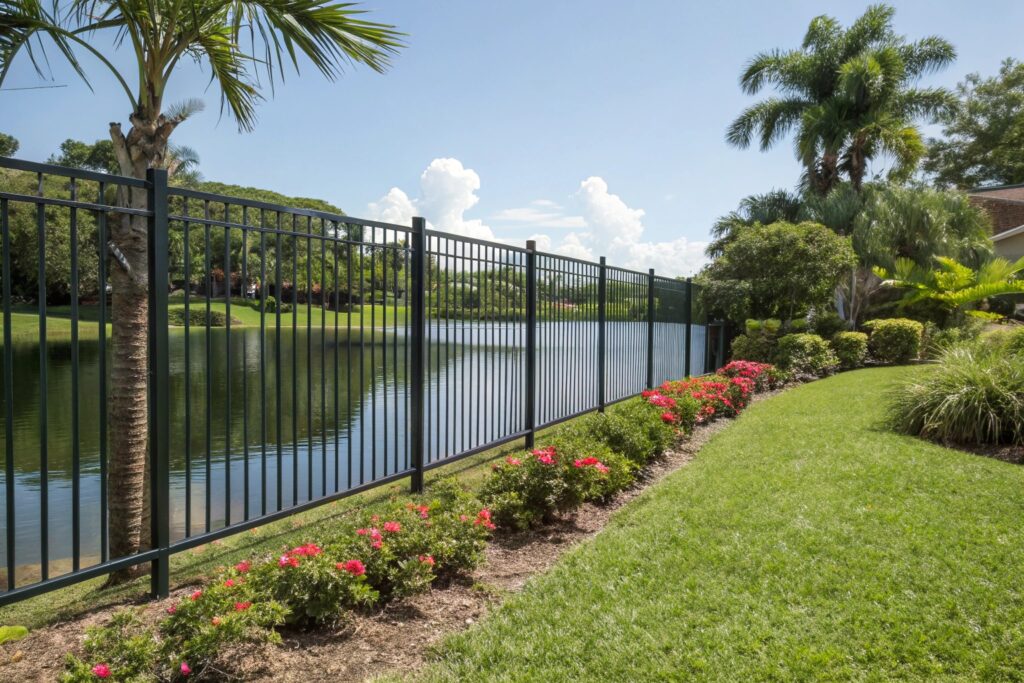
An aluminum fence is built from posts set in the ground, horizontal rails that span between them, and vertical pickets that fill the rails. Panels come pre-assembled or get built to fit your run. The whole system is coated in a black powder-coated finish, which bonds to the metal and resists UV fading and moisture far better than liquid paint. That’s a real advantage over the repeated painting a wood fence eventually needs.
Aluminum’s big advantage is that it doesn’t rust. It’s a lightweight metal that naturally resists corrosion, which is why it lasts so well in a damp climate. It’s also highly recyclable, and it won’t swell or split the way wood can when the weather swings. If you’ve looked at vinyl too, aluminum tends to hold its shape and color longer in our sun and rain.
One note on the finish: powder coating is more resistant to scratching and chipping than paint, but it isn’t scratch-proof. Some styles use textured coatings for extra durability and a matte look. Damage can happen, and it can be touched up.
Open-Picket vs. Slatted and Solid Panels
This is the distinction the whole privacy question hinges on. The open design of open-picket aluminum fencing has gaps between the pickets, so you get a clear boundary and open views but not visual screening. For privacy, you’d use slatted or solid infill panels, or pair aluminum with cedar. Know which one you’re after before you design anything else.
The Biggest Benefits and Curb Appeal in Seattle Yards
Here’s what a black aluminum fence does well for local homeowners:
- Low maintenance. No staining, no sealing, no repainting. A wash when it needs one, and not much upkeep beyond that.
- Rust and corrosion resistance. Aluminum won’t rust in our wet climate, which is a big reason a well-installed fence can last 30 years or more here. That durable performance is hard to beat.
- Clean curb appeal. Black lines look crisp against greenery, cedar, concrete, and modern exteriors, and they pair well with existing landscaping.
- Security and pet containment. A solid boundary that keeps pets in and gives you peace of mind, with fence height and design that discourage anyone from hopping over.
- Open sightlines. Great for gardens, front yards, and any spot where you’d rather keep the view than block it.
- Gate compatibility. Matching walk gates and driveway gates integrate cleanly into the same design, including self closing gates for pet and pool safety.
Each of these ties back to what you actually want from a fence: privacy where you need it, security, and curb appeal that lifts the whole property. The visual appeal of clean lines is a real draw on its own.
Where Black Aluminum Isn’t the Right Fit
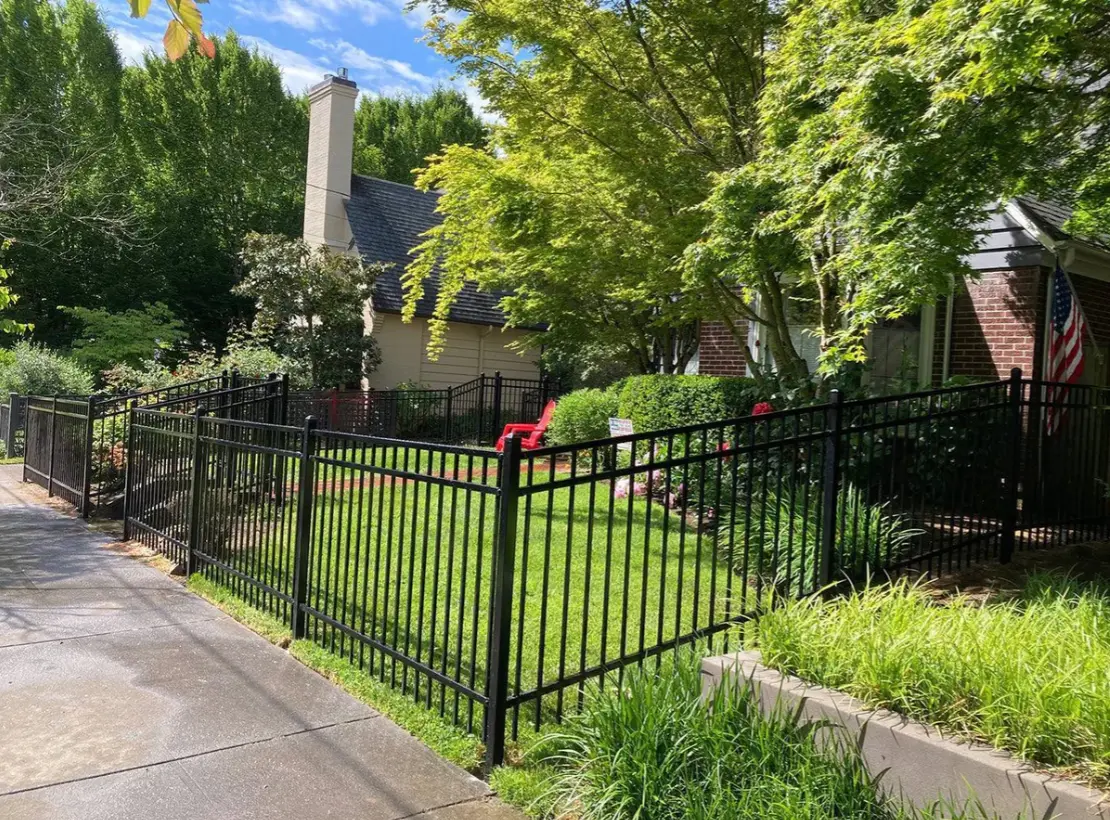
We’d rather tell you this up front than have you find out later. Standard open-picket aluminum fencing is not a full privacy fence. If screening the backyard from neighbors is the goal, you’ll want slatted panels or a cedar section instead.
Standard picket spacing runs around four inches, which can be enough for a small dog or a puppy to slip through. That’s a design fix, not a dealbreaker: we add puppy pickets or tighten the spacing along the lower rail. Safety around pets and kids is something we plan for from the start.
Aluminum also isn’t heavy steel or iron, so it’s not built for high-impact commercial security barriers. And while the powder coating holds up well, chips can happen and get touched up. None of this rules aluminum fencing out. It just means the design has to match your yard, and that’s the part we handle. We love a challenge.
Black Aluminum vs. Cedar, Horizontal Cedar, Hogwire, and Chain Link
Different fence materials solve different problems. Here’s how black aluminum stacks up against the options we install most:
| Material | Privacy | Maintenance | Weather durability | Pets | Curb appeal | View preservation |
|---|---|---|---|---|---|---|
| Black aluminum | Low (open picket) | Very low | Excellent, rust-free | Good with puppy pickets | High, modern | Excellent |
| Privacy cedar | Full | Higher, needs sealing | Strong when maintained | Excellent | High, classic | None |
| Horizontal cedar | Full | Higher, needs sealing | Strong when maintained | Excellent | Very high, modern | None |
| Hogwire | Low | Low to moderate | Good | Good | Rustic modern | Excellent |
| Chain link | Low | Low | Prone to corrosion | Good | Basic | Good |
Aluminum wins on upkeep and open sightlines. Cedar wins when you need full privacy. Hogwire keeps views while adding style. A lot of our favorite projects mix materials, for example aluminum along the open front and cedar where the backyard needs screening. If you’re weighing a wood fence against metal, that’s worth a longer conversation about how each holds up on your specific lot.
Design Choices and Fence Height That Matter for Seattle Properties
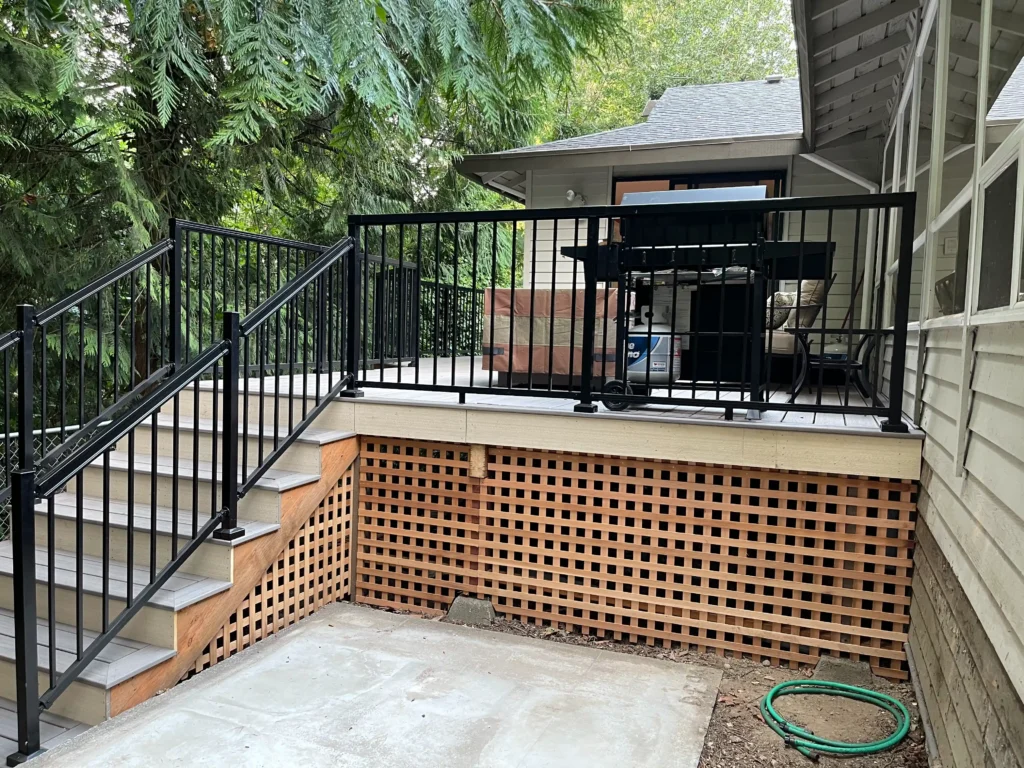
Most residential aluminum fencing runs three to six feet tall, and the right fence height depends on the yard and the local rules. Picket spacing gets adjusted for pets. On the sloped terrain common in West Seattle, Queen Anne, and Magnolia, panels get racked or stepped so the fence follows the grade cleanly instead of leaving awkward gaps underneath. Careful installation techniques keep the line true even on uneven ground.
Gate placement, matching a fence to a retaining wall, and keeping backyard privacy separate from front-yard openness all factor into the layout. Mature landscaping and shared property lines are real considerations here, so is keeping soil and mulch clear of the posts for drainage. Larger runs and retaining walls simply take more materials and planning, and that’s part of the project scope we map out with you. This is where the right crew earns its keep, because a good plan beats a stock panel every time.
Aluminum Fencing Options, Modern Styles, and Picket Styles
Black aluminum comes in more looks than people expect. Modern styles range from clean flat-top designs for a minimalist feel, to spear-top pickets for a more traditional line, to staggered double-picket patterns with added detail. These aluminum fencing options let us match the fence to your home instead of forcing a single template on it. If a specific style catches your eye, that’s a good thing to go to your estimate with.
Seattle Fence Rules and Code Compliance to Know Before You Build
Seattle’s fence rules come from the Seattle Department of Construction and Inspections, and code compliance is part of every plan we put together. The basics:
- A construction permit generally isn’t required for fences eight feet or under, as long as there’s no masonry or concrete over six feet.
- In neighborhood residential and multifamily zones, fences are usually limited to six feet, plus up to two more feet for features like arbors or trellises.
- In a front or street-side setback, the fence height limit is four feet. This matters most for a front-yard aluminum fence.
- On a sloping site, a fence can reach eight feet if the average height between posts is six feet.
- When a retaining wall raises the grade, the combined wall and fence height is capped at nine feet six inches.
- Flood-prone and environmentally critical areas, like wetlands or steep slopes, may require a permit or follow different rules.
Always verify the specifics for your property. We handle this legwork so you don’t have to guess.
What “Low Maintenance” Actually Means for These Fence Materials
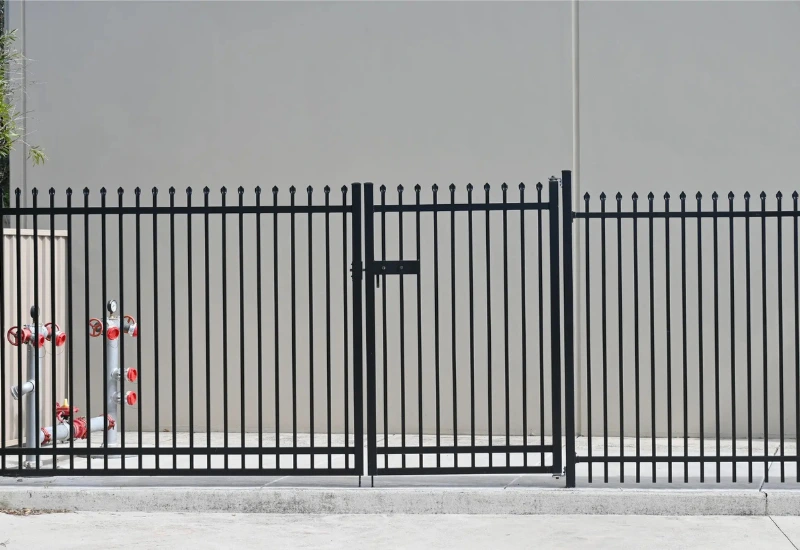
Low maintenance, not maintenance-free. There’s a difference, and it’s a small one. A properly installed aluminum fence made from high quality materials can last well over 30 years here with a simple routine:
- Rinse off dirt and pollen with a hose.
- Wash with mild soap and water when it needs it.
- Check gate hinges and latches on your gates.
- Watch for chips or scratches and touch them up. No full repainting required.
- Keep soil and mulch from piling up against the posts and bottom rail.
Compare that to cedar’s staining and sealing cycle and it’s easy to see why so many homeowners lean toward aluminum fencing for the parts of the yard that don’t need full privacy.
How DH Fence Pros Handles Aluminum Fence Installation
We’re a founder-led crew, and that shows up in how we work. Dan answers his phone and turns estimates around fast, and you get clear communication from the on-site estimate through the final walkthrough. Every fence is custom designed for your yard and engineered for the Pacific Northwest climate. No cookie-cutter jobs here.
We’re fully licensed, bonded, and insured. Our pricing is transparent with no hidden fees, and final payment is due only after the work is complete. Every aluminum fence installation is backed by our 36-month installation warranty, on top of the manufacturer’s warranty on the panels, and we leave your yard clean and looking great. When we install aluminum fences, we also build matching driveway gates and can advise on automatic gate safety standards like UL 325 and ASTM F2200 when a motorized gate is part of the plan. Whether you’re fencing a small front yard, a run along tricky walkways, or large properties with plenty of grade change, we build aluminum fences that fit the site and give you real protection and peace of mind. We serve Seattle, Shoreline, Edmonds, Lynnwood, Mountlake Terrace, Bellevue, and nearby King and Snohomish County areas.
Frequently Asked Questions
How long do black aluminum fences last?
Properly installed, over 30 years in Seattle’s climate. Aluminum won’t rust or corrode, and the powder-coated finish holds up against UV and moisture. That durability is one of the main reasons homeowners choose it.
What is the most durable low-maintenance fence?
Aluminum is a top choice for wet climates because it won’t warp, rot, or rust and needs no staining, sealing, or painting. Cedar can last a long time too, but it requires regular upkeep.
What are the disadvantages of aluminum fencing?
Open-picket styles don’t provide full privacy, standard spacing may need puppy pickets for small dogs, it’s not as heavy-duty as steel, and the coating can chip. All of these are things we design around during installation.
How much should a black aluminum fence cost?
It depends on fence height, style, gates, slope, and site conditions, and every yard is different. Pricing is often talked about by the linear foot, but the real number comes from your specific plan. That’s why we come out and give you a free on-site estimate rather than a generic figure.
Do I need a permit for aluminum fence installation in Seattle?
Usually not for fences eight feet or under without tall masonry or concrete. But front setbacks, slopes, flood-prone areas, and critical areas have their own rules, and we help verify what applies to your property per SDCI.
Get a Free On-Site Estimate for Your Seattle Yard
Ready to see what a new fence in black aluminum could look like on your property? We’ll walk the yard, talk through your goals, and give you a clear, honest plan with no pressure. Call or text Dan and the crew at (206) 330-6709 to schedule your fence consultation, or request a free on-site estimate whichever way is easiest for you.
Serious About Service. Passionate About Fences.