

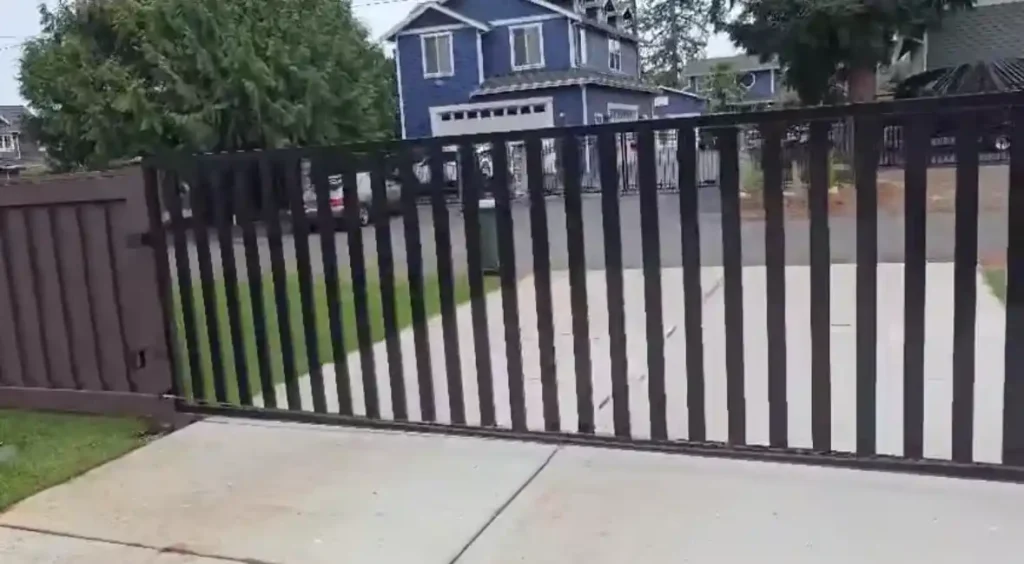
Aluminum fencing is highly durable for Seattle properties, offering a rust-resistant, low-maintenance alternative to wood and steel that survives 156 annual rainy days without rotting or corroding. It provides excellent security, curb appeal, and pet containment (including puppy picket options) while maintaining open sightlines, though standard configurations do not offer full privacy. Structurally, lightweight aluminum panels easily adapt to sloped terrain via racking or stepping, and they require almost zero upkeep beyond an occasional rinse. While upfront material and labor costs are higher than basic wood, aluminum delivers superior long-term value over its 20 to 30-year lifespan, provided installation complies with Seattle zoning limits (6-foot cap in residential zones, 4-foot cap in front setbacks) and mandatory 811 utility locate laws.
Yes, aluminum fencing is a strong fit for Seattle properties when you want a sleek, rust-resistant, low maintenance fence that adds security and curb appeal. It resists corrosion in our wet climate and defines your property without completely blocking views or light. The one honest caveat: standard aluminum fences won’t give you full privacy unless you choose a privacy-style panel or a custom design. If you’re a Seattle homeowner comparing fencing material before requesting estimates, this guide to aluminum fencing in Seattle covers the benefits, styles, and costs, plus where aluminum shines and where it doesn’t. Final pricing depends on your specific property, which is why an on-site estimate is the only accurate way to answer it.
Why Aluminum Holds Up in Seattle’s Pacific Northwest Climate
Seattle sees roughly 39 inches of rain a year spread across about 156 days with measurable precipitation (NOAA 1991-2020 normals). That kind of steady moisture is hard on the wrong fencing material. Wood fencing can rot, warp, or crack over time, and iron or steel fencing eventually rusts. Aluminum sidesteps both problems. It naturally resists corrosion, doesn’t rot, and won’t suffer insect damage, which makes aluminum fences well suited to the Pacific Northwest and other humid climates. Being corrosion resistant is exactly why the metal earns its lasting durability here.
The durable powder coating adds another protective layer against environmental wear and keeps the color looking sharp season after season. We’ll be straight with you though: aluminum resists rust when it’s properly finished and installed. Deep scratches or cheap hardware can still shorten a finish’s life, which is why workmanship and quality components matter as much as the metal itself. That rust resistant finish is what lets it stand up to harsh weather conditions year after year.
Key Benefits and Key Features of Aluminum Fencing for Seattle Homes
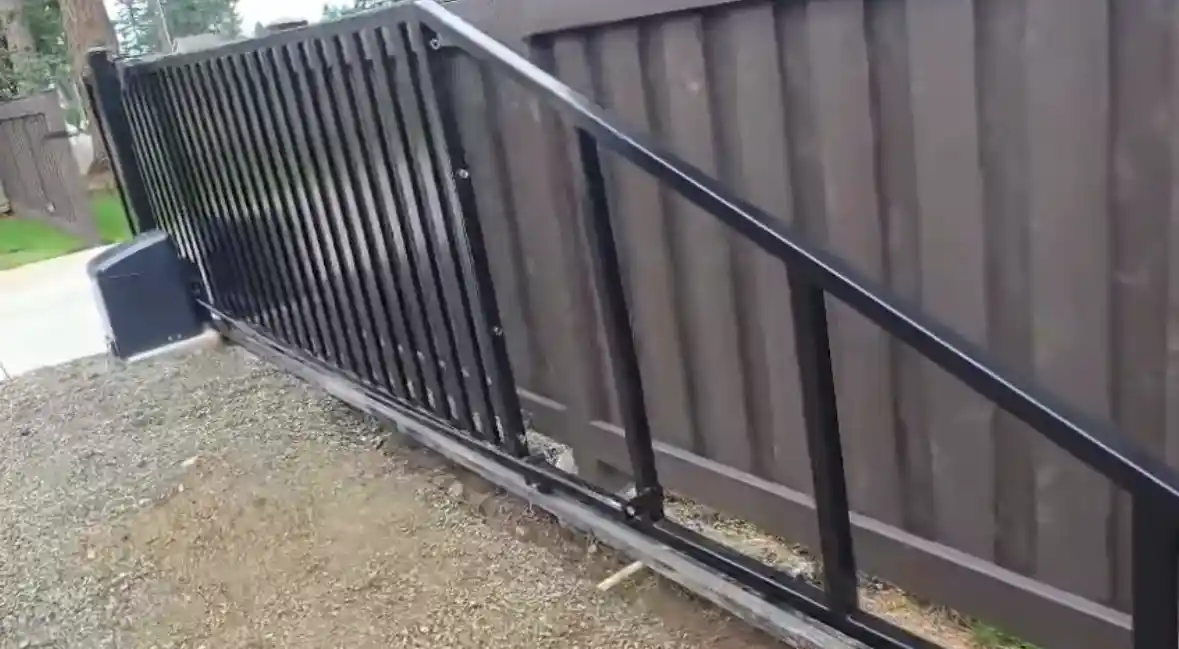
Aluminum is popular for good reason: it looks clean, lasts a long time, and asks almost nothing of you once it’s up. The best way to judge whether an aluminum fence fits your yard is to think in terms of outcomes, such as robust security versus privacy, keeping pets contained, handling a slope, and long term value. Here’s how those key features break down.
Minimal Upkeep Year-Round
Wood fencing needs regular staining and sealing to survive Seattle winters. Aluminum fencing requires almost none of that. There’s no rot to guard against and no annual refinishing. Many homeowners spend less than an hour a year on minimal upkeep, usually just occasional cleaning with a hose to clear off grime. Unlike wood, it won’t warp or split, and that near-zero maintenance is one of the biggest reasons Seattle homeowners choose aluminum over other fence materials.
Security Without Blocking the View
Open pickets and aluminum fencing panels mark your property lines and add security while keeping sightlines and natural light. That makes aluminum a good choice for front yards, side yards, and pool areas where you want a clear view. If privacy, security, and curb appeal are all on your list, aluminum covers two of the three well and works for either residential or commercial use.
Pet and Kid Containment
Aluminum keeps dogs and kids in the yard, and it can be tailored for smaller pets. Puppy picket styles and tighter bottom spacing on the fence panels stop small dogs from squeezing through. One honest note: because the pickets are open, a reactive dog may bark at people or animals it can see through the fence. If that’s your dog, a more solid design might suit you better.
Curb Appeal and Long-Term Value
A well-built aluminum fence gives a home a crisp, modern edge and enhanced curb appeal that can support property value. Its exceptional durability shows up in a typical long lifespan of 20 to 30 years, and often longer with minimal care. The higher cost tends to run above basic wood, but the long term value usually makes up for it since you’re not repairing and refinishing every few years. Aluminum is also highly recyclable, and recycled aluminum uses only about 5% of the energy needed to make new metal, one of the environmental benefits worth noting if sustainability matters to you.
When Aluminum May Not Be the Right Fence
We’d rather point you toward the right fence than sell you the wrong one, so here’s when aluminum isn’t the best answer. If you want full privacy in your backyard, cedar or a privacy-style design will serve you better than standard open pickets. Aluminum can also dent under heavy impact, so a spot that takes a lot of abuse may call for something sturdier. Reactive dogs that bark at everything they see often do better behind a solid fence. And for certain heavy-duty commercial or high-security needs, steel may be the stronger pick. If aluminum isn’t right for your situation, we’ll tell you.
Popular Aluminum Fence Styles, Decorative Elements, and Customization Options
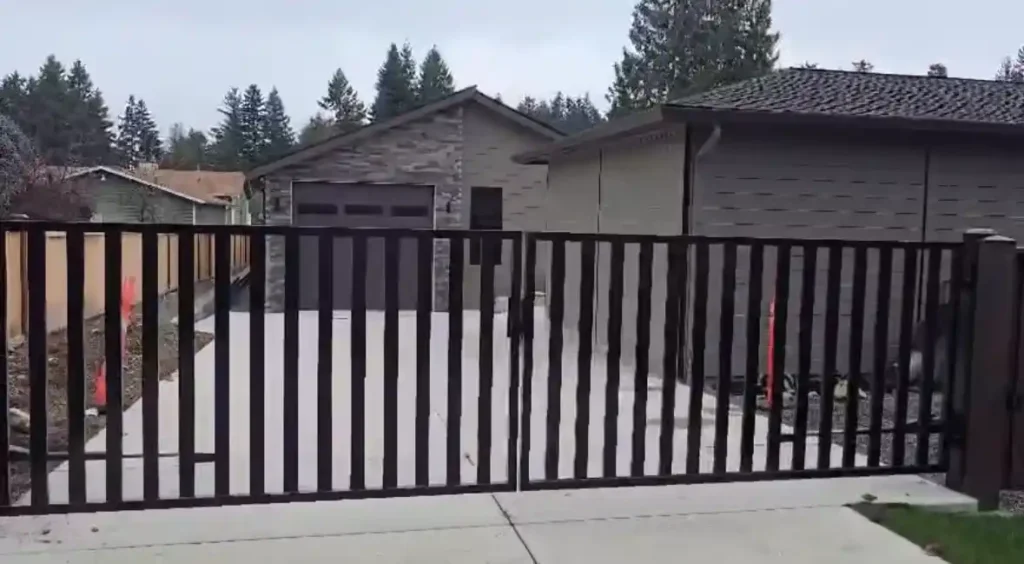
Aluminum comes in more styles than most people expect, and each one solves a different problem. Heights and panel sizes are customizable, and decorative elements like scrollwork and finials let you dial in the look. These material options give aluminum real aesthetic appeal, and the powder coated finish comes in several colors. Post caps and other decorative accents round out the look on many aluminum fences. Here’s how these modern designs map to what you’re trying to accomplish:
- Flat-top and picket: clean lines that suit contemporary Seattle homes and front yards.
- Spear-top and decorative: a classic look with added security, often finished with decorative accents like scrollwork or finials.
- Horizontal or slat-style: a modern profile that fits newer builds and offers more visual screening.
- Puppy picket: tighter spacing near the bottom of the fence panels to keep small pets safely contained.
- Pool-style: designed as a safety barrier while preserving visibility around the water.
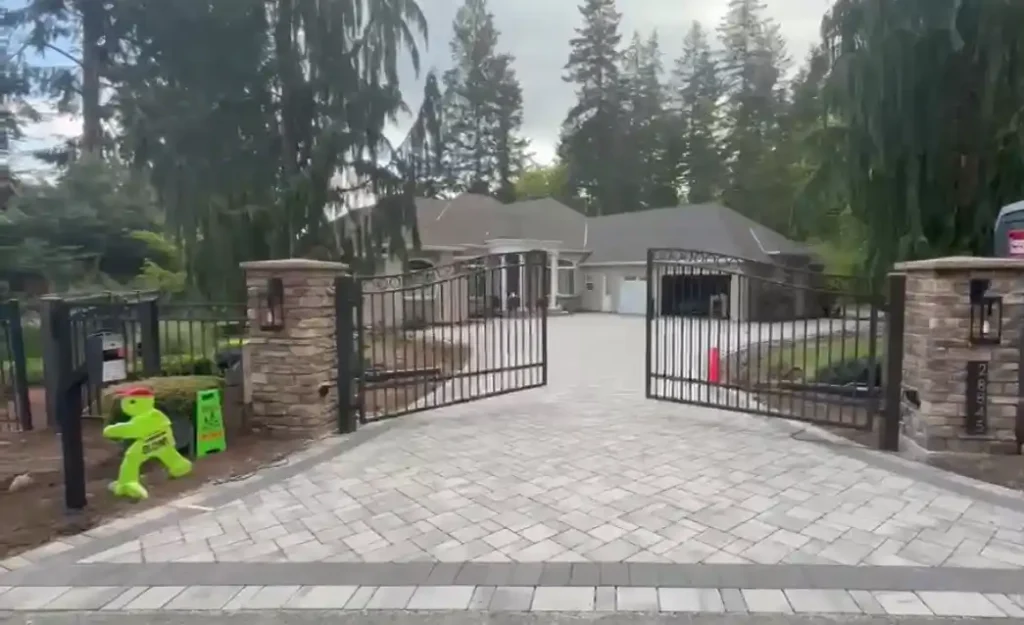
- Aluminum gates and driveway gate integrations: matched hardware and access control, including manual and automatic options.
- Taller designs for commercial perimeters: durable, low maintenance boundaries for businesses and multifamily properties.
A flat-top alternating-picket layout is one distinctive option worth asking about if you want something a little different for your outdoor space. We’ll help you match the style to your yard, not the other way around.
Aluminum Fence Cost: What Affects the Total Cost in Seattle?
There’s no single price for an aluminum fence, because the aluminum fence cost is built from the specifics of your property. Aluminum fencing carries a higher upfront cost than basic wood, but it typically returns greater long term value thanks to its durability and near-zero upkeep. Materials generally make up 50 to 70% of a project, with labor costs covering the rest. Pricing is often estimated per linear foot, and these are the key factors that move the number:
- Total linear footage of the fence run
- Fence height
- Style complexity and decorative elements
- Powder coated finish and color choice
- Number of gates, plus manual versus automatic operation
- Terrain and slope across the yard
- Removal and disposal of an existing fence
- Post setting and soil conditions, which affect labor costs
- Property line questions or survey needs
- Permit or code complexity
- Pool barrier requirements
- Retaining wall coordination on hillside lots
While the initial costs can feel higher, the long term costs stay low because you’re not refinishing or replacing rotten boards. The only accurate way to price aluminum fencing in Seattle and its benefits, styles, and costs for your lot is to see the property in person: measure the run, check site access, review grade changes, and understand exactly which gates and layout you need. That’s how you avoid surprises later.
Installing Aluminum Fences: Seattle Rules to Know Before You Build
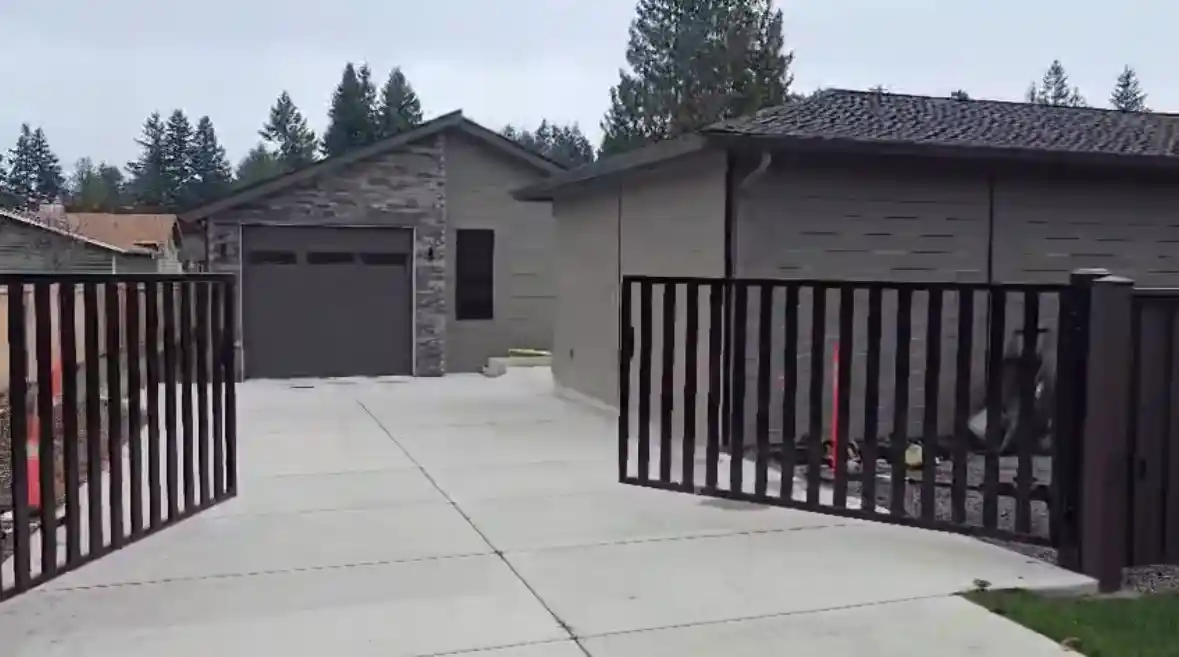
Seattle has specific local regulations that affect fence height and layout, and knowing them upfront saves headaches. The installation process goes smoother when these are settled early. Here’s the short version:
- A construction permit is generally not required for a fence 8 feet or less, as long as no masonry or concrete elements exceed 6 feet. Flood-prone areas or taller fences do need a permit.
- In neighborhood residential and multifamily zones, fence height is commonly limited to 6 feet, with up to 2 feet of mostly open features like arbors or trellises allowed above.
- Front or street-side setbacks are typically capped at 4 feet, which matters for front-yard aluminum fencing.
- On sloping sites, height averaging lets a fence reach 8 feet if the average height between posts is 6 feet.
- When a retaining wall raises grade, the combined retaining wall and fence height is capped at 9.5 feet.
- Washington’s 811 “Call Before You Dig” law requires contacting 811 at least two business days before digging posts.
Always confirm current requirements with Seattle SDCI or your local building department, since flood-prone and environmentally critical areas carry extra rules. While aluminum fencing arrives as pre assembled panels that some treat as a DIY project, a botched install can compromise structural integrity and finish life, so professional installation protects both your investment and your warranty. Knowing Seattle neighborhoods, terrain, and permitting is part of what we bring to every fence installation.
Aluminum vs Cedar, Hogwire, Wrought Iron, and Vinyl
Each fencing material has a job it does best. Aluminum is lightweight and adapts well to sloped or uneven Seattle yards, and unlike wood fencing or steel, it won’t rust or rot. Here’s a quick comparison against other fence materials:
| Material | Best for | Maintenance | Privacy |
|---|---|---|---|
| Aluminum | Security, visibility, sloped yards | Low maintenance | Not full privacy |
| Cedar | Privacy, warmth, classic PNW look | Higher | Full privacy |
| Hogwire | Visibility, pets, gardens, modern-rustic | Low to moderate | Not full privacy |
| Steel/wrought iron | Strength, classic look | Higher (rust concerns) | Not full privacy |
| Vinyl | Low upkeep, different aesthetic appeal | Low | Varies by style |
If privacy is the priority, cedar usually wins. Wrought iron brings strength and an elegant appearance but needs more care to fight rust. If you want clean lines, minimal upkeep, and a fencing solution that handles a slope, aluminum with its long term savings is hard to beat for both residential and commercial properties.
What to Expect From an On-Site Aluminum Fence Estimate
You’ve probably dealt with contractors who were slow to respond or vague about price. That’s not how we work. When we visit your property, we start by asking what you actually need, whether that’s keeping pets in, adding security, gaining privacy, or boosting visual appeal. Then we measure the run, review any slope or gate requirements, and recommend a style and powder coated finish that fits your yard and your goals. We flag any code considerations before they become a problem.
From there you get a clear estimate with transparent pricing and no hidden fees, including how labor costs and material factor into the total cost. We keep communication open from that first visit through the final walkthrough, and we leave your yard clean and looking great when the work is done. No guesswork, no surprises.
Why Seattle Homeowners Choose DH Fence Pros for Aluminum Fences
DH Fence Pros started in West Seattle in 2015, founded by Dan Hignite, a hands-on builder from a family of skilled craftsmen. We’re a fully licensed, bonded, and insured team with 25+ years of combined crew experience, and we back our installations with a 36-month warranty. No cookie-cutter jobs here. Every aluminum fence we build is customized to your property and engineered for Seattle’s weather, serving both residential and commercial clients from a front yard to a business perimeter. Our top-rated, craft-first approach means real accountability from the estimate to the final walkthrough. Financing is also available through Acorn if that helps make the project work for you.
Frequently Asked Questions
Does aluminum fencing rust in Seattle?
No. Aluminum doesn’t rust the way iron and steel do, and a quality powder coated finish adds protection against Seattle’s rain and moisture. Proper installation and good hardware keep it looking sharp for decades.
Is aluminum fencing good for dogs?
Yes, especially with puppy picket fence panels or tighter bottom spacing for small dogs. The main thing to consider is that open pickets let dogs see through, so a reactive barker may do better behind a more solid fence.
Can aluminum fencing be installed on a sloped yard?
Absolutely. Aluminum is lightweight and adapts well to slopes and uneven terrain using rackable aluminum fencing panels or stepped layouts. Seattle’s height-averaging rules also allow a taller fence on sloping sites when the average stays within limits.
Does aluminum fencing provide privacy?
Standard aluminum offers security and clear sightlines rather than full privacy. If privacy is your goal, ask us about privacy-style aluminum fencing panels or a cedar option that better suits a backyard.
How much does aluminum fencing cost in Seattle?
It depends on footage, height, style, gates, slope, removal, and site conditions, so the cost varies from lot to lot. The only accurate way to price it is an on-site visit, so we can measure the run and understand exactly what your property needs.
Schedule Your Free On-Site Aluminum Fence Estimate
Ready to see what aluminum fencing could look like on your Seattle property? Schedule a free on-site estimate and we’ll walk it with you. Call or text us at (206) 330-6709, or request a quote online, whichever’s easiest for you. Serious About Service. Passionate About Fences.