

Professionally built residential retaining walls in Seattle typically cost $25 to $75 per square foot of wall face, totaling between $2,400 and $15,000 depending on material choice, site accessibility, and height. Structural engineering and pricing depend on total wall face square footage rather than simple linear footage due to the geometric compounding of soil loads on taller structures. To survive Pacific Northwest rainfall and prevent structural failure from hydrostatic pressure, robust drainage integration—including gravel backfill, filter fabric, and perforated pipes—is non-negotiable. Legally, Seattle SDCI requires a structural building permit if a wall exceeds 4 feet in total height, sits within an Environmentally Critical Area (ECA), or borders a property line where adjacent structures could be impacted.
In Seattle, most professionally built residential retaining walls run roughly $2,400 to $15,000, or about $25 to $75 per square foot of wall face, depending on height, material, drainage, slope, access, and permits. Taller walls, wet soil, and hillside lots push that higher. If you own a sloped lot, a drainage problem, or a wall that’s starting to lean, that range gives you a place to start budgeting. But it’s not a quote. Your actual retaining wall cost depends on your specific property, and the only way to price it accurately is an on-site visit. At DH Fence Pros, we build custom retaining walls and fences for Seattle terrain, with transparent pricing and no hidden fees. The ranges below are third-party planning figures, not our quotes.
Seattle Retaining Wall Cost Snapshot: How Much Does a Retaining Wall Cost in Seattle 2026 Guide
Here’s a quick look at broad planning ranges to set expectations. These wall costs are drawn from third-party 2026 cost data, not DH Fence Pros pricing.
| Project type | Typical planning range |
|---|---|
| Small retaining wall / garden landscape wall (under 3 ft) | $2,000 – $6,000 |
| Standard residential wall (3–4 ft) | $4,000 – $12,000 |
| Taller or engineered wall (over 4 ft) | $10,000 – $35,000+ |
| Replacement of a failing wall | Varies (demolition + rebuild) |
| Retaining wall + fence combo | Wall cost + fence cost, planned together |
Treat this as a starting point. A steeper slope or a wet clay soil lot can move you well outside these numbers.
How Are Retaining Wall Costs Calculated: Per Square Foot vs Per Linear Foot?
The most reliable way to price a wall is by wall face area: length multiplied by exposed height. A 50-foot wall that’s 2 feet tall covers 100 square feet of face. The same 50-foot wall at 6 feet tall covers 300 square feet, three times the material and load.
That’s why linear foot alone can mislead you. Two quotes at “$60 per linear foot” mean nothing if one wall is 3 feet tall and the other is 6. And a 6-foot wall isn’t just double the cost of a 3-foot wall. It needs more material, a bigger footing, better drainage, and usually engineering. When you compare retaining wall costs, ask for the wall face square footage. Pricing per square foot keeps everyone honest, because it reflects the real load a wall carries and protects the structural integrity of the finished wall.
What Drives Retaining Wall Costs in Seattle?
Length matters less than most people expect. Here’s what actually moves the retaining wall cost on a Seattle lot:
- Wall height. Taller walls need bigger footings, engineering, and more drainage.
- Material. Timber walls sit at the low end, poured concrete solutions and natural stone at the high end.
- Drainage. Not optional here. Wet soil demands a real system behind the wall.
- Slope and soil. Heavy clay soils and soggy ground complicate everything. Hillside yards and wet soil can raise labor costs by 50% or more.
- Site access. Tight urban lots that can’t fit equipment mean more hand labor and significant excavation by hand.
- Demolition. Removing and hauling an old wall adds cost.
- Engineering and permits. Common once you pass 4 feet.
- Environmentally critical areas. ECA review adds documentation and time.
- Property-line impact. Work near a neighbor’s structure can trigger a permit.
- Fence, gate, or stair integration. Extra design and structural coordination.
Retaining Wall Materials and Landscape Supply Options in the Pacific Northwest
Material choice sets both your upfront retaining wall cost and how long the wall survives our wet seasons. Per-linear-foot and per square foot figures below are third-party context. Local landscape supply yards and Pacific Northwest quarries feed much of the material used for wall construction across the region, which shapes what’s practical for your site. Your landscape supply source can also affect lead times on stone.
Pressure treated wood walls
Lower upfront cost, roughly $50 to $150 per linear foot. Pressure treated wood looks natural but has the shortest lifespan in Seattle’s constant moisture. It’s a reasonable choice for a short landscape wall, less so for structural retaining wall work.
Concrete block walls / interlocking blocks
A popular residential option, around $100 to $250 per linear foot. Block walls handle Pacific Northwest weather well and offer a lot of design flexibility, with interlocking blocks stacking cleanly on a slope.
Poured concrete retaining walls
Strong for tall or structural walls, roughly $200 to $400 per linear foot. Built right, poured concrete retaining walls hold up for decades against slope pressure and rain.
Natural stone retaining walls and boulder walls
Durable and attractive, about $150 to $350 per linear foot. Natural stone placement is labor-intensive, which is where the cost lives. Boulder walls and natural stone retaining walls read as timeless and blend into a Pacific Northwest landscape, so many homeowners see the extra labor as worth it for the look.
Rockery walls and natural stone rockeries
Rockery walls are common across the Pacific Northwest and often sourced from Pacific Northwest quarries and landscape supply yards. Natural stone rockeries stack large stones to hold a slope, and Seattle treats rockery walls and retaining walls under similar rules, so taller ones may need geotechnical design.
Do You Need a Building Permit for a Retaining Wall in Seattle?
Seattle SDCI uses a three-part test. You generally don’t need a building permit only if all three are true:
- The wall is 4 feet or lower, measured from the bottom of the footing to the top of the wall.
- The parcel is not in an environmentally critical area.
- The work won’t damage adjoining property or structures during or after construction.
Miss any one, and you need a construction permit. SDCI specifically flags building at the property line as something that can trigger a permit, since it creates potential for neighbor damage. A grading permit may also apply depending on how much soil gets moved. Permit fees commonly run $50 to $450, and drawings for walls over 4 feet usually require a professional stamp from an engineer or architect. Note that some other King County jurisdictions require permits over 3 feet, so check your local building department if you’re outside Seattle proper. Full details are on the SDCI retaining walls page.
Steep Slopes and Environmentally Critical Areas (ECA)
If your parcel sits in an ECA, the rules tighten fast. You generally can’t build a wall of any height without meeting specific requirements or getting an exemption, and retaining walls aren’t eligible for small-project waivers. Seattle defines a steep slope as one that rises at least 10 feet over 25 horizontal feet or less, with a typical 15-foot buffer. ECA review can require geotechnical reports and topographic surveys, which adds both time and cost. Complex slope stabilization projects on sloped Seattle properties belong in the hands of a knowledgeable contractor. If you’re on a hillside, factor this into your retaining wall cost early.
Drainage Integration: The Most Important Part of a Seattle Retaining Wall
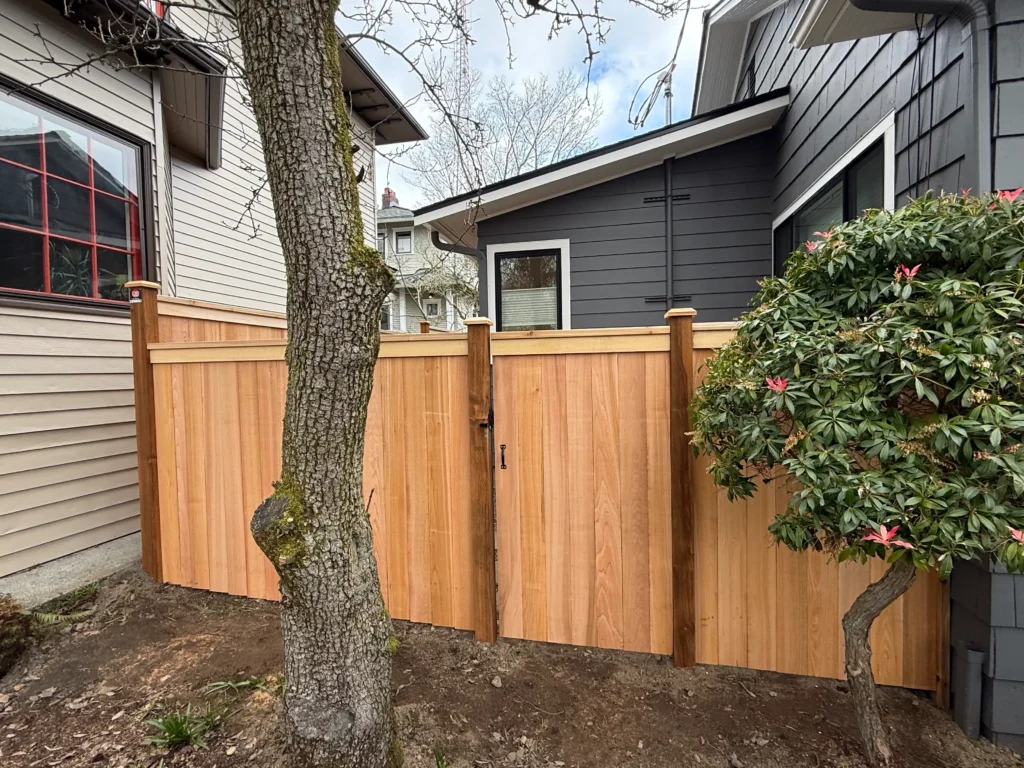
Inadequate drainage is the most common cause of retaining wall failure, and in Seattle it’s the number one thing that separates a wall that lasts from one that leans in three winters. When rain soaks the soil behind a wall, water builds up and pushes. That hydrostatic pressure is what topples walls. Wet clay soil makes it worse, which is why we proactively discuss drainage solutions before design begins.
Proper drainage isn’t an upgrade you tack on. A real drainage system is part of the wall’s design. A good approach includes:
- Gravel backfill and drainage aggregate behind the wall to let water move freely
- Filter fabric to keep soil out of the gravel
- A perforated pipe at the base to carry water away
- Weep holes to channel water through the face where appropriate
- A surface grading and discharge plan so runoff goes somewhere safe
If that drainage ties into a side sewer, an SPU side sewer permit may apply. When you review a quote, make sure drainage integration is spelled out. A wall priced without it is a problem waiting for the wet season.
What Should a Complete Retaining Wall Quote Include?
Vague quotes are where surprises hide. Use this checklist to compare estimates on equal footing:
- Wall length and height
- Wall face area (square footage) and cost per square foot
- Material
- Excavation
- Base preparation
- Drainage system and drainage integration
- Backfill
- Demolition and disposal of the old wall
- Engineering or design if needed
- Permit handling
- Property-line considerations
- Cleanup
- Warranty
- Payment schedule and change-order process
We give you a detailed written proposal so you know exactly what’s included before anything starts. Detailed project communication is part of how we work, with transparent pricing, no hidden fees, and a clean yard when we’re done. Final payment is due after the work is complete. No cookie-cutter jobs here.
How to Choose a Retaining Wall Contractor in Seattle
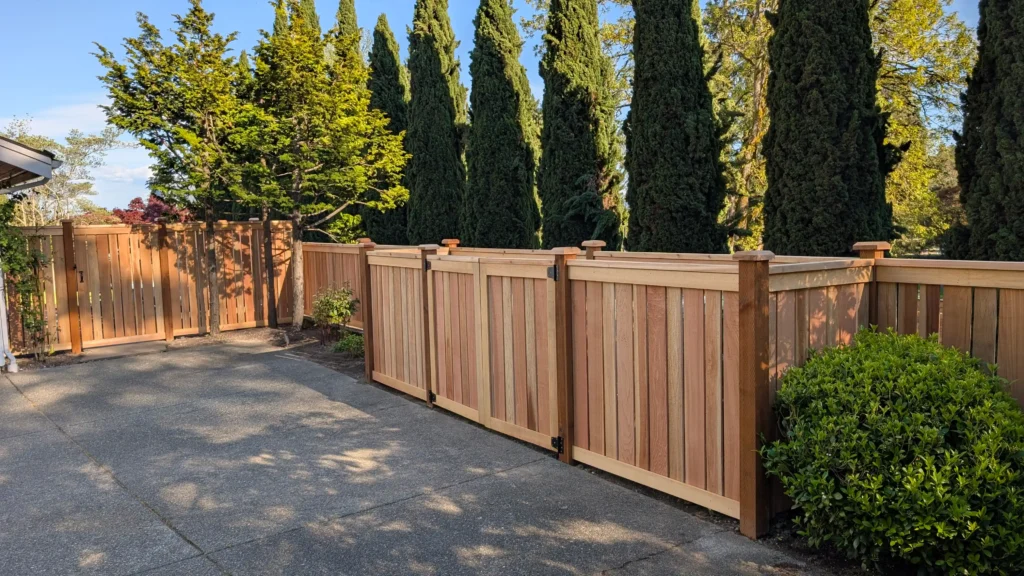
A retaining wall holds back tons of soil, so the retaining wall contractor you hire matters as much as the material. Not all wall contractors handle Pacific Northwest drainage and slope the same way. A reputable contractor should show you:
- A valid contractor’s license issued and verifiable through Washington L&I. Registration requires a bond ($30,000 general, $15,000 specialty) and liability insurance.
- A valid contractor’s license number in their advertising, which L&I requires.
- At least 10 years of local experience with Seattle terrain and Pacific Northwest soil.
- Google reviews with real volume and quality, whether you’re checking a landscape supply Google rating or a fence builder’s.
- Clear, specific answers about drainage integration.
- High quality installation work you can point to, from base prep to backfill.
Good wall contractors will walk you through their approach to slope, soil, and water before they ever quote a number. DH Fence Pros was founded in West Seattle in 2015 by Dan Hignite. We’re licensed, bonded, and insured, with 25+ years of combined crew experience behind every wall we build. We serve residential and commercial properties, and as a retaining wall contractor serving the Greater Seattle area, we handle the professional installation from footing to final grade so you don’t have to babysit the job. When you’re comparing a dedicated hardscaping company, a Seattle area general contractor, or a fence builder who also does walls, ask the same questions of each.
Can You Put a Fence on Top of a Retaining Wall in Seattle?
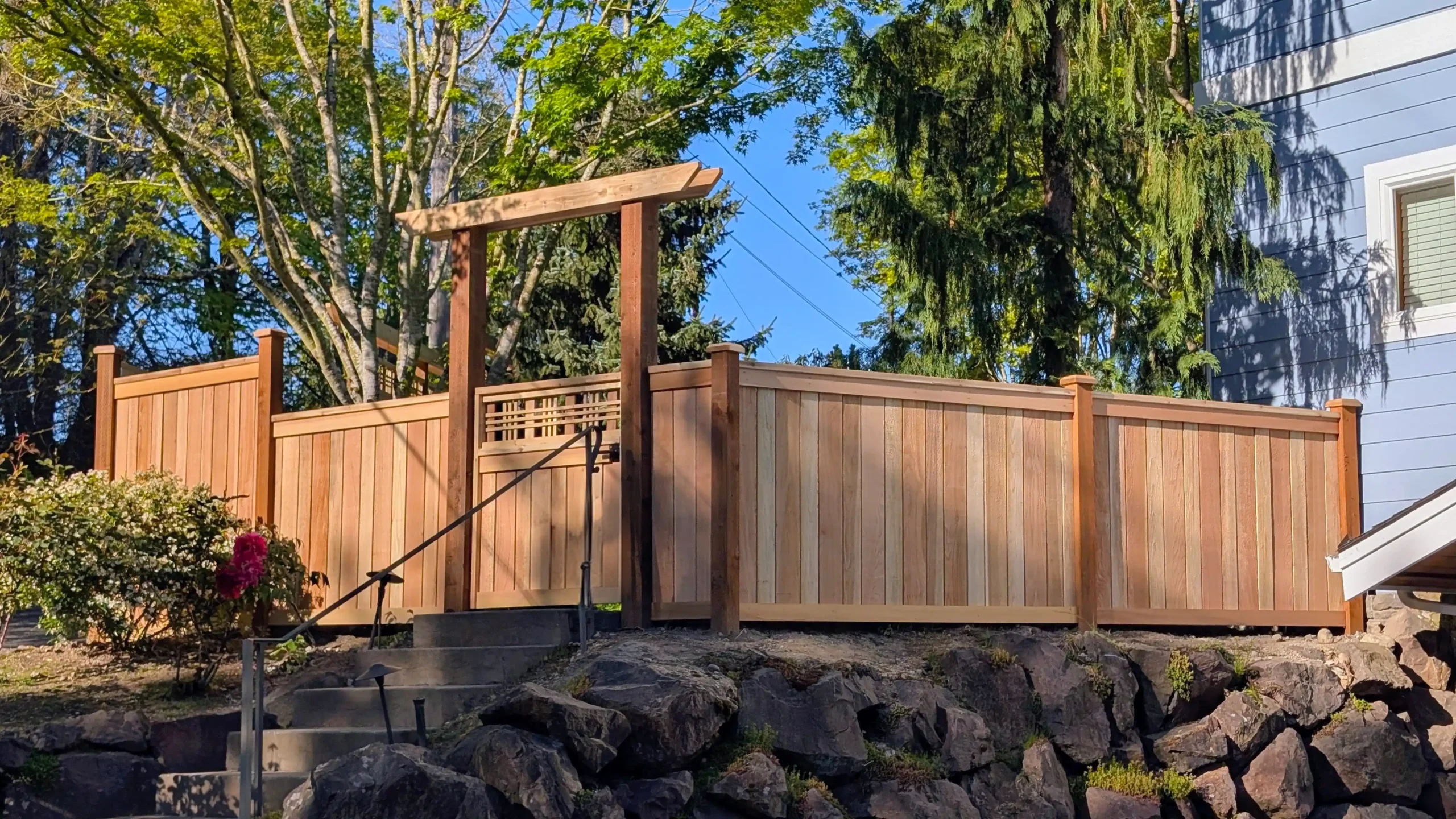
Yes, and it’s a smart way to gain privacy, security, and curb appeal or to keep pets contained on a raised yard. It’s also a good way to reclaim usable yard space on a terraced lot. Seattle limits the combined height of a fence and a retaining wall used to raise grade to 9 feet 6 inches. Fences 8 feet or lower generally don’t need a permit unless they include masonry or concrete over 6 feet, or sit in a flood-prone area.
The key is planning the two together. Fence posts and the wall need to be engineered as one system, especially when the posts sit near the top of the wall. Adding a fence to an existing wall can require extra review. Because we build both, we design your wall and fence as a single custom solution from the start.
Repair or Replace? Signs Your Retaining Wall Is Failing
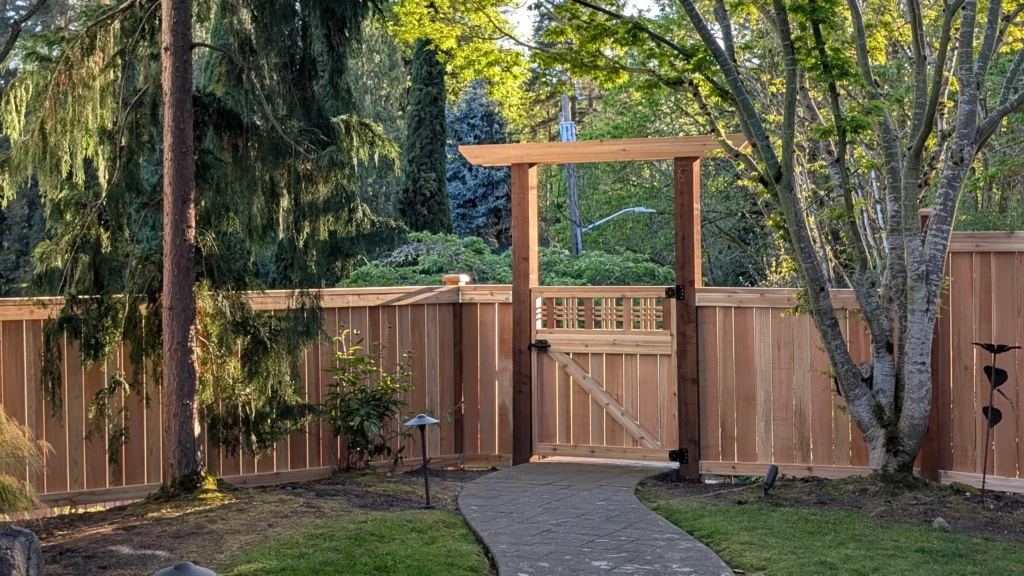
Watch for these warning signs:
- Leaning or bulging
- Cracks in the face
- Rotting timber
- Soil washing out from behind
- Water pooling at the base
- A fence moving or tilting above the wall
Most retaining walls that fail trace the problem back to poor drainage. Whether you can repair the wall or need a full rebuild depends on how far the damage has gone, and that’s a judgment call best made on-site. We’ll take a look and tell you straight.
How to Save on a Retaining Wall Without Cutting Corners
You can be money-smart without gambling on your investment:
- Keep the wall under permit and engineering thresholds when the site genuinely allows it.
- Consider terraced retaining walls instead of one tall wall where the slope permits, which can lower your retaining wall cost and hold the grade more gently.
- Choose a material suited to your actual clay soil and exposure, whether that’s block walls, pressure treated wood, or natural stone.
- Plan the fence and wall together to avoid rework.
- Get the drainage complexity right the first time.
- Insist on a clear, written scope with wall costs broken out per square foot.
The goal is a wall that’s visually appealing and protects your property for years, not one that saves a little now and fails later.
Get a Free On-Site Retaining Wall Estimate in Seattle
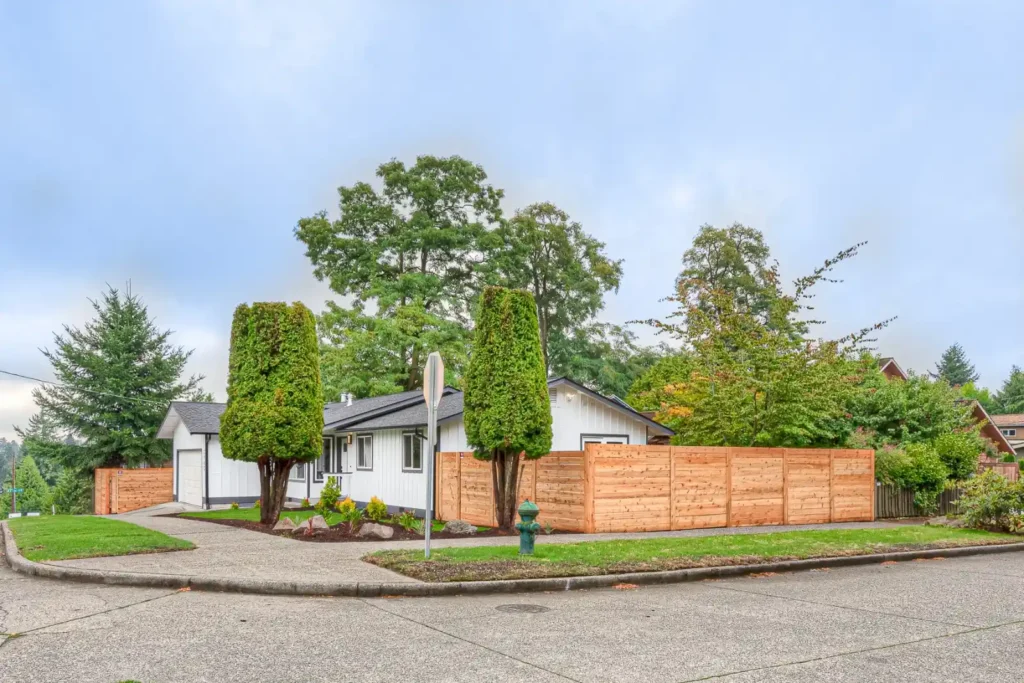
Slope, drainage, access, and fence integration all shift the price, and none of them can be judged from a phone call. That’s why we come to you. An on-site visit is the honest way to price your retaining wall work. Call or text (206) 330-6709 or request a free estimate through our site. Financing is available through Acorn if that helps. Every wall we build is backed by our 36-month installation warranty. Serious About Service. Passionate About Fences.
Frequently Asked Questions
How much does a retaining wall cost in Seattle in 2026?
Most residential walls run roughly $2,400 to $15,000, or about $25 to $75 per square foot of wall face. Height, material, drainage, and site conditions decide where you land. These are third-party planning ranges, not a DH Fence Pros quote.
Do I need a permit for a retaining wall in Seattle?
Generally no building permit is needed only if the wall is 4 feet or lower, not in an environmentally critical area, and won’t damage adjoining property. If any of those isn’t true, you need a permit.
Why is drainage integration so important for retaining walls in Seattle?
Water building up behind a wall creates hydrostatic pressure, the most common cause of wall failure. A proper system of gravel backfill, filter fabric, perforated pipe, and a discharge plan keeps water moving and the wall standing through Pacific Northwest winters.
What’s the most durable material for a retaining wall here?
Poured concrete retaining walls and natural stone retaining walls tend to last longest against slope pressure and rain, while block walls balance cost and durability. Pressure treated wood carries the shortest lifespan in our wet climate.
Can I put a fence on top of my retaining wall?
Yes. Seattle limits the combined fence-and-wall height to 9 feet 6 inches when the wall raises grade. The wall and fence posts should be engineered together, which is why we plan both as one project.
Can DH Fence Pros build both the retaining wall and the fence?
Yes. As a retaining wall contractor and fence builder, we design custom retaining walls and fences for Seattle properties together so the structure, drainage, and fence all work as one solution.