

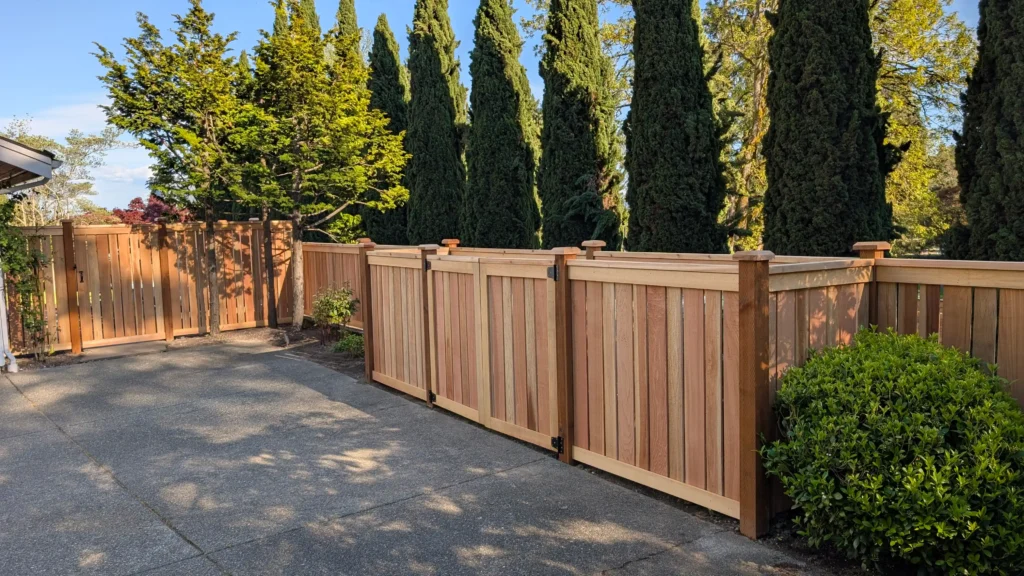
In 2026, professional cedar fence installation in Seattle typically ranges from $50 to $85 per linear foot, with an average 200-foot backyard project costing between $10,000 and $17,000. Total expenses are heavily dictated by your chosen style, such as standard vertical privacy versus precision-heavy horizontal layouts, as well as site demolition, slope, averaging labor on hilly terrain, and local material grade. Sourced locally in the Pacific Northwest, Western Red Cedar heartwood provides optimal natural rot resistance against Seattle’s 156 annual rainy days, pushing typical lifespans to 15–25 years when resealed every 3 to 5 years. Final quotes must also factor in local construction realities, including Seattle’s 10.55% sales tax, mandatory 811 utility lines marking, and SDCI zoning rules that cap standard residential heights at 6 feet.
If you’re pricing out a cedar fence and the quotes you’ve seen are all over the map, you’re not doing anything wrong. In Seattle in 2026, a cedar fence is usually quoted by the linear foot, and public ranges span roughly $50 to $85 per linear foot installed depending on fence style, fence height, cedar grade, and what your yard looks like. A typical 200-foot cedar fence project often lands somewhere around $10,000 to $17,000. That’s a wide spread, and there’s a real reason for it. This how much does a cedar fence cost in Seattle 2026 guide walks through every factor, but the only way to get an accurate number for your property is a free on-site estimate where someone measures your actual fence line. Everything below explains what moves that final cost.
Why Cedar Fence Pricing Varies So Much in Seattle
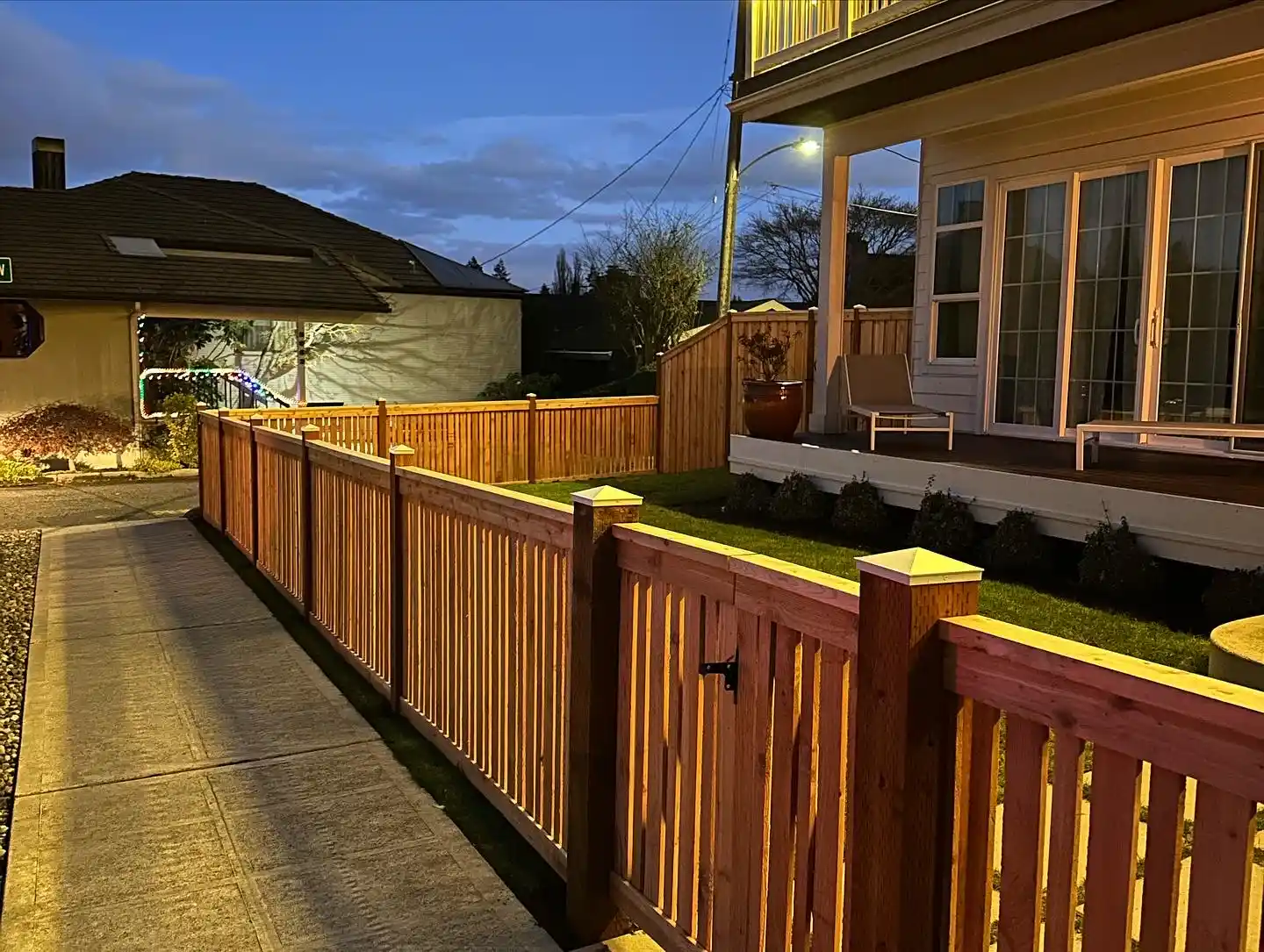
A cedar fence is priced by the project, not off a flat menu. Two homes on the same street can get very different numbers because the work is different. Cedar stays a popular choice across the Pacific Northwest climate for good reason, but “cedar fence” covers a lot of ground, and cedar fence cost shifts with every one of those details.
Here are the key factors that move your fence cost:
- Total fence length and layout
- Fence height
- Fence style (privacy fence, horizontal, semi-privacy, custom design details)
- Cedar grade and material quality
- Gates and hardware
- Old fence removal and disposal
- Slopes, soil, and site access
- Staining or sealing
- Permits and Seattle sales tax
National averages tend to understate Seattle projects because local labor and disposal costs run higher and our terrain and weather add real work. That’s honest context, not a sales pitch.
Cost Factor #1: Fence Length and Layout
Everything starts with linear feet. We measure the run along your property where the fence will go. But footage alone doesn’t tell the whole story. Corners, grade transitions, and limited access all add labor. A flat, open backyard with a wide gate for a wheelbarrow prices differently than a narrow side yard where every post has to be dug by hand. Same fence length, different day of work, and a different cedar fence cost per linear foot.
Cost Factor #2: Fence Style, from Privacy to Horizontal and Custom Cedar
Style is one of the biggest levers on your total cost. A privacy fence in cedar is our most popular build and the standard for Seattle backyards. A 6-foot privacy fence in cedar commonly runs around $50 to $60 per linear foot installed, with premium grade at $60 to $80, in materials-and-labor terms before site conditions come into play.
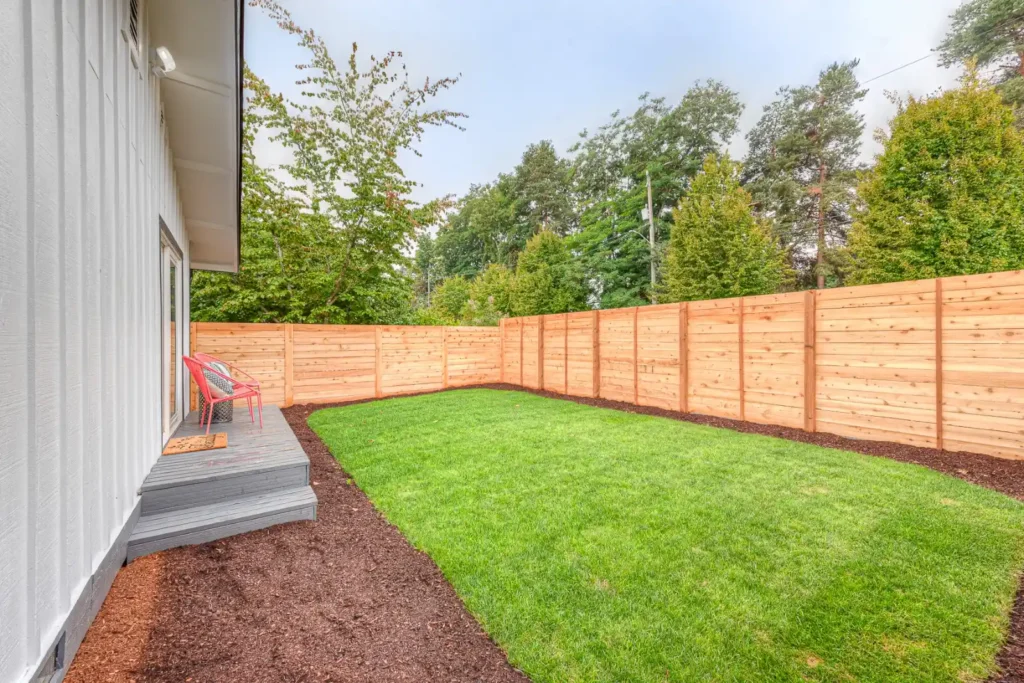
Horizontal cedar is the modern look a lot of homeowners want right now. It’s more precision-heavy: closer post spacing and tighter alignment mean more premium materials and more careful labor, so it usually costs more per linear foot than a comparable vertical build. Semi-privacy designs leave small gaps for airflow and light while keeping most of the screening.
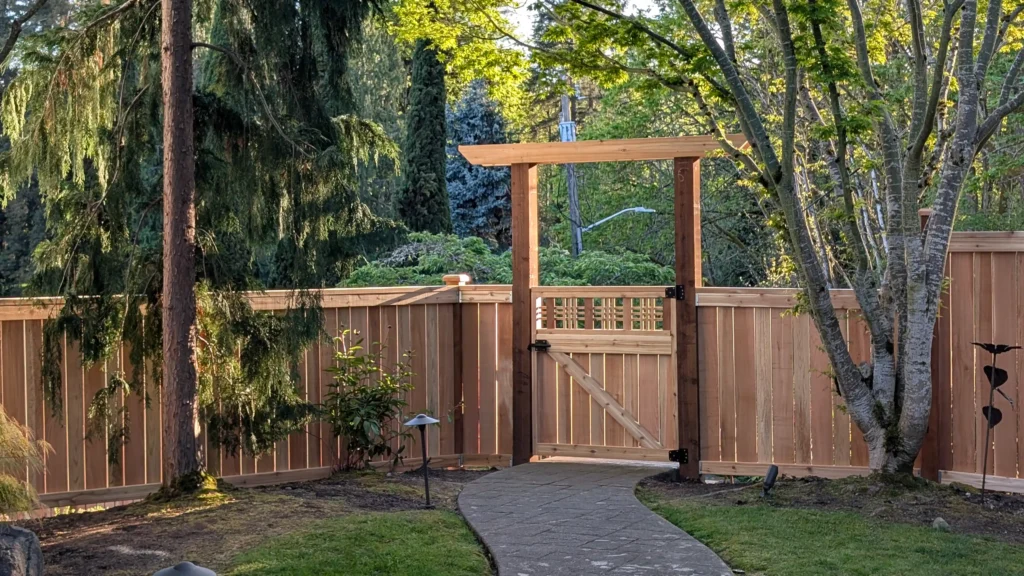
Then there’s custom work: gates sized for RV access, a fence design that follows a slope, containment for pets, or a build meant purely for curb appeal. No cookie-cutter jobs here. Custom design details add cost, and they’re usually the details that make the fence yours.
Cost Factor #3: Cedar Grade and Material Quality
“Cedar” isn’t one identical product. Board grade, thickness, and how much clear heartwood you’re getting all swing the price. Western red cedar grows right here in the Pacific Northwest, and Washington produces more of it than any other state. According to the USDA Wood Handbook, it has very low shrinkage and heartwood that’s highly resistant to decay. That natural rot resistance is exactly what you want in a climate this wet.
Compared to pressure treated wood like pine, quality cedar’s natural oils and natural resistance help it stand up to moisture and insects while looking far better as it ages. Higher-grade cedar boards with fewer knots and more heartwood cost more up front, and they’re the ones that hold their look longest. On a cedar fence installation meant to last decades, that material choice matters more than almost any other single line item, which is why comparing bids means you should compare materials, not just headline prices.
Cost Factor #4: Seattle Terrain, Rain, and Cedar Fence Installation Methods
Seattle yards rarely cooperate. A sloped property needs stepped or racked panels, which take more planning and labor than a flat run. Rocky soil or heavy clay slows down digging and sometimes calls for limited equipment access workarounds. Installation methods like post-on-pipe framing add durability and structural support but also add cost, and they’re worth it on a fence meant to last. Existing structures like sheds, decks, or old retaining walls along the fence line can also complicate the install and add labor.
Moisture is a genuine design factor here, not a cliché. NOAA’s data for Sea-Tac shows an average of 39.34 inches of rain across about 156 days a year. How well the fence performs over time depends on posts, bottom boards, and drainage all accounting for that.
Labor is also simply more expensive locally. BLS puts the Seattle-area mean wage for construction work at $42.11 an hour versus $31.42 nationally, and labor costs can run roughly half of a fence installation’s total cost. That’s a big part of why local quotes sit above national averages. How much you pay depends heavily on these site conditions.
Cost Factor #5: Gates, Hardware, and Access Needs
Gates add up. A single walk gate is straightforward, but double gates, wide RV openings, and heavy-duty hardware all raise the total. Driveway gates, especially automatic ones, are a much larger scope item and deserve their own conversation. Tell us during the estimate how you actually use your outdoor space so the openings are sized right the first time.
Cost Factor #6: Old Fence Removal, Cleanup, and Additional Costs
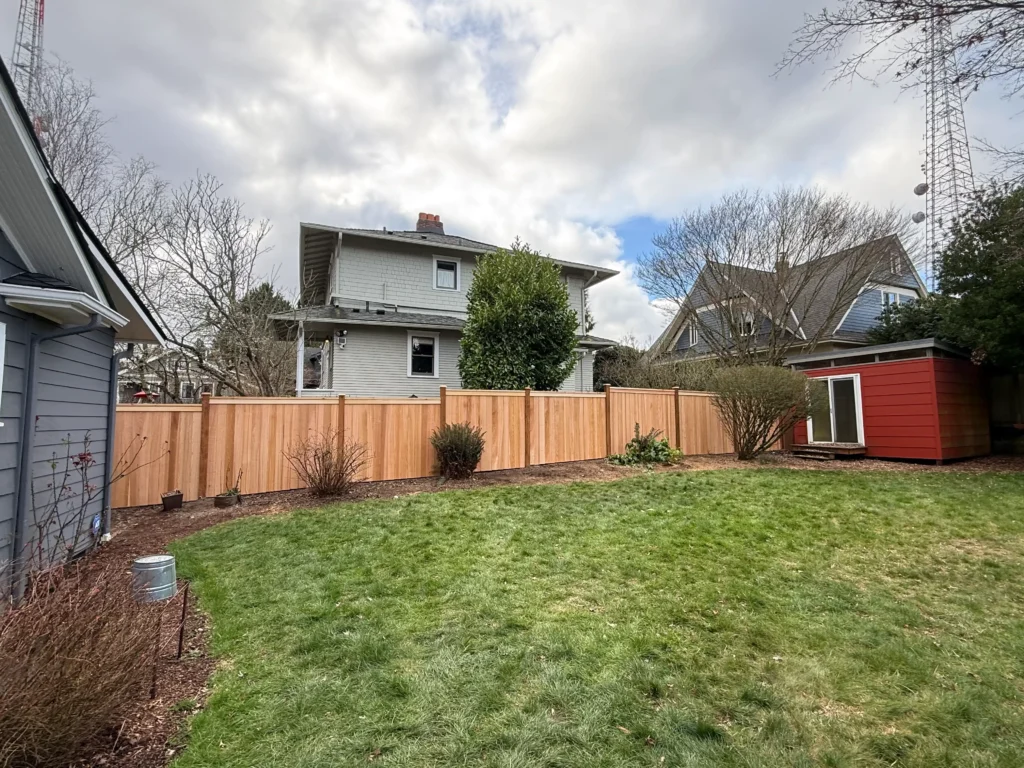
Replacing an existing fence costs more than building on an open yard. There’s demo work, hauling, and disposal costs for the old material, plus the extra time to clear the line before new posts go in. These are real additional costs, and a fair quote should name them. When we’re done with your fencing project, we leave your yard clean and looking great. Your property gets treated like it matters, because it does.
Seattle Fence Height and Permit Rules That Affect Cost
Knowing the local rules keeps surprises out of your budget. Permit requirements vary by jurisdiction, so here’s the short version from Seattle SDCI:
- Generally no permit needed at or below 8 feet, as long as masonry or concrete elements don’t exceed 6 feet
- Zoning typically caps fence height at 6 feet in neighborhood residential zones
- Front or street-side setbacks are usually limited to 4 feet
- You can add up to 2 feet of arbor or trellis above a 6-foot fence
- Sloped lots allow height averaging between posts
- A retaining wall raising grade plus a fence is capped at a combined 9 feet 6 inches
Permit fees, when required, often add somewhere in the range of $100 to $500 to your total project cost, and because permit requirements vary quarterly and by zone, we confirm them for you. We’re experienced with Seattle neighborhoods, terrain, and permitting requirements, so slopes and retaining walls get sorted out before they become a problem.
Don’t Forget 811, Property Lines, and Neighbor Agreements
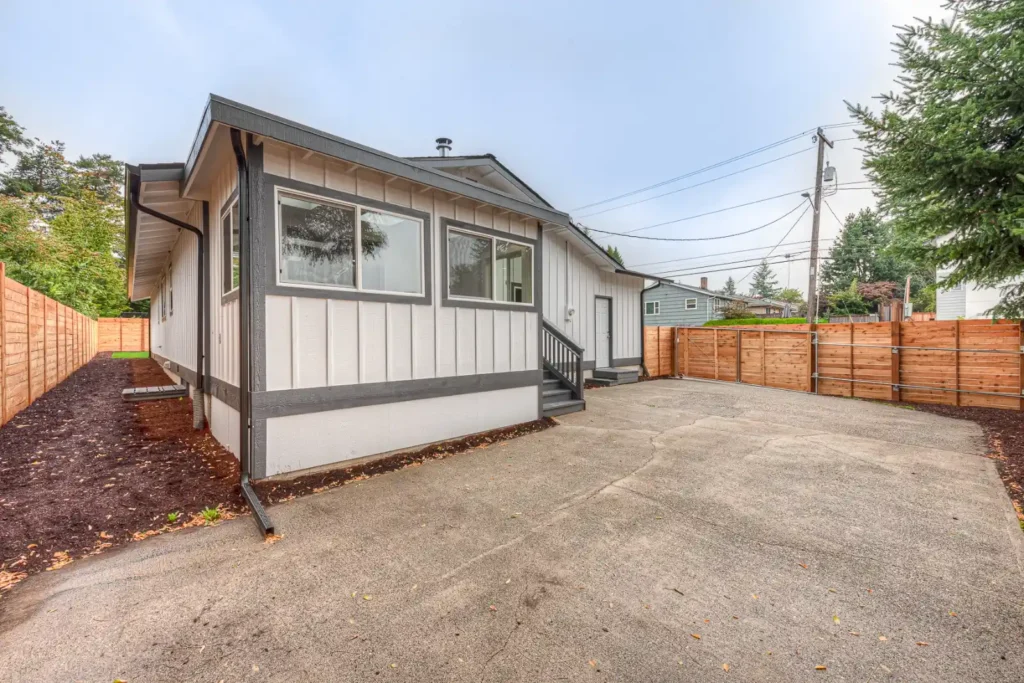
Fence posts mean digging, and Washington’s Call Before You Dig law applies. Request a locate through 811 roughly two to ten full business days before work starts, and mark your dig area first. It’s free and it keeps you off a gas or power line. Confirm your property line before anything goes in the ground. And under RCW 16.60, neighbors can sometimes share the cost of a boundary fence. Talk with yours early, put any agreement in writing, and check with a legal professional if there’s a real dispute.
What Should Be Included in a Cedar Fence Estimate?
A clear estimate is how you compare bids fairly and how you save money by avoiding surprises later. Look for all of this in writing:
- Material costs and cedar grade
- Post type and depth
- Labor costs
- Old fence removal and disposal
- Gates and hardware
- Staining (included or separate)
- Cleanup
- Seattle sales tax (10.55% for Q3 2026, sourced to the job location per WA DOR, and it changes quarterly)
- Permit handling
- Warranty
- Payment schedule
Washington L&I requires contractors to be registered, bonded, and insured. Experienced fence contractors will spell all of this out, so verify that before you compare quotes. If a number isn’t listed, ask, because that’s usually where the final price drifts away from the estimate.
Why the Lowest Quote Isn’t Always the Best Value
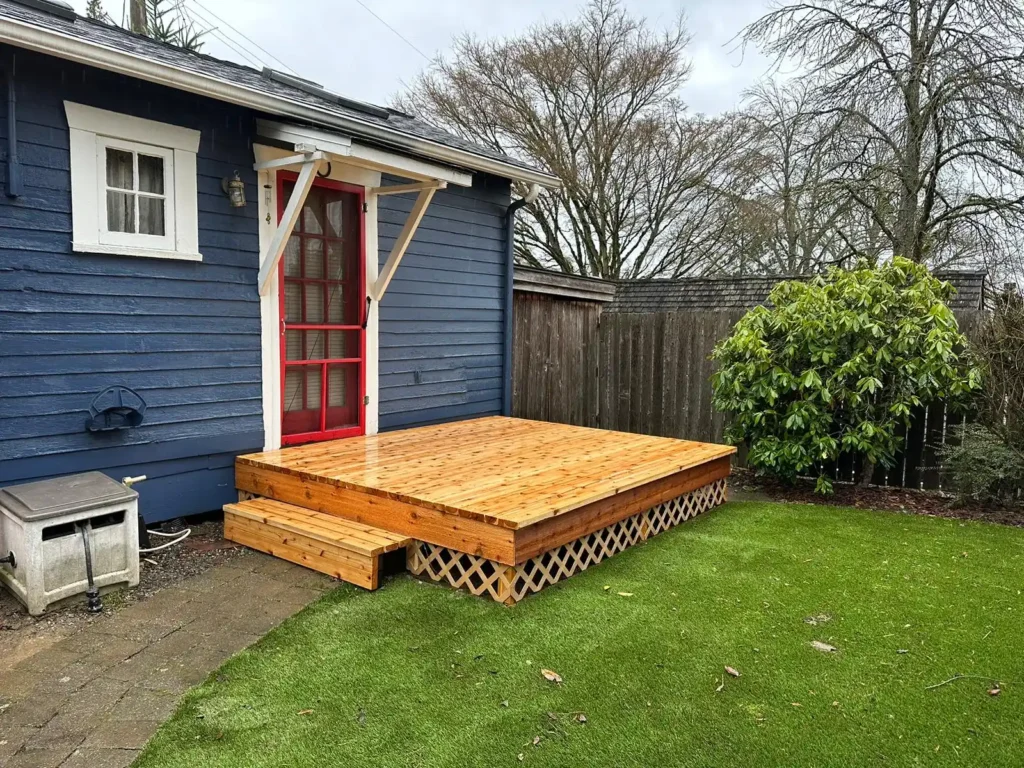
A low upfront cost usually leaves something out. It might skip old fence removal, use thinner boards, set posts too shallow, stay vague about cleanup, or hide fees you’ll meet later. Since labor costs are often half the job, cutting the price frequently means cutting the care that makes a fence last through Pacific Northwest winters.
We work differently. Transparent pricing, no hidden fees, and final payment due only after the work is complete and you’ve walked the finished fence with us. The exact cost you agree to is the final cost you pay. If a contractor went quiet on you last time or the price crept up mid-project, that’s exactly what we built our process to avoid.
Is a Cedar Fence Worth It for Curb Appeal in Seattle?
For most homeowners here, yes. Cedar looks natural, handles our climate well, and delivers privacy, security, and curb appeal in one build. With proper maintenance, a well maintained cedar fence lasts around 15 to 25 years. Plan to reseal every three to five years and clean it annually, oxygen bleach works well for the gray and green that our damp weather brings. Its natural oils do a lot of the heavy lifting against decay and moisture. Built once and built right, a cedar fence project is one you won’t be thinking about for a long time.
How DH Fence Pros Builds Cedar Fences for Seattle Weather
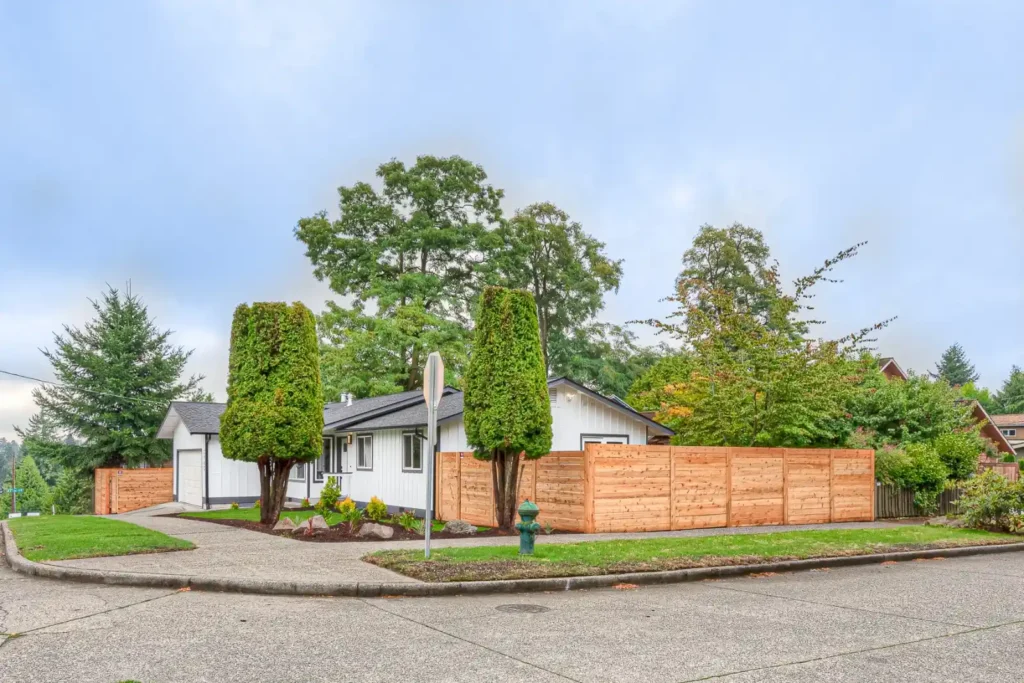
Dan Hignite founded DH Fence Pros in West Seattle in 2015, coming from a family of skilled craftsmen. We’re a tight crew, not a franchise, and we bring 25+ years of combined hands-on experience to every professional fence installation. We’re fully licensed, bonded, and insured, and we back our professional installation work with a 36-month warranty. No cookie-cutter jobs. We love a challenge, whether that’s a steep lot, an RV gate, or custom hardware. Many homeowners come to us after a bad experience, and you’ll get clear communication from the estimate through the final walkthrough, transparent pricing, and old-school work ethic paired with modern professionalism.
Schedule Your Free On-Site Cedar Fence Estimate
The only accurate number comes from measuring your fence line in person. Call or text us at (206) 330-6709, or request a fence consultation online, whichever’s easiest for you. Financing is available through Acorn if you’d like it: get your fence now, pay later. Serious About Service. Passionate About Fences.
Frequently Asked Questions
What is the average cedar fence cost installed in Seattle?
Public 2026 estimates put the average cedar fence cost in Seattle at roughly $50 to $85 per linear foot, depending on fence style, fence height, and site conditions. Treat that as a market range, not a quote. An on-site estimate gives you the exact cost for your yard, since cedar costs shift with grade and layout.
How much does a new fence cost in Seattle?
A typical 200-foot cedar fence often runs about $10,000 to $17,000 installed. Total footage, gates, old fence removal, slopes, and cedar grade all move that total cost up or down, and installation complexity plays a big role for Seattle homeowners.
Does a 6-foot cedar fence need a permit in Seattle?
Generally no. Seattle SDCI doesn’t require a permit for fences at or below 8 feet without masonry or concrete over 6 feet. Front and street-side setbacks are usually limited to 4 feet, so location on your lot matters.
How long does a cedar fence last in Seattle’s rain?
With regular care, expect around 15 to 25 years. Reseal every three to five years and clean it annually to manage the moss and graying our wet climate brings.